Starting BJJ as an Adult Beginner: Your First Month, Honestly
Nobody is good in month one — that is the design. What your body, your brain, and your schedule will actually do in the first four weeks.
Somewhere in your first class, probably while a friendly stranger half your size holds you down with what feels like a thumb's worth of pressure, you will think: I am much worse at this than I expected. Good news — that thought is the official starting line of jiu-jitsu, and every person on the mat has stood exactly there. This is the honest version of your first month as an adult beginner: what your body will do, what the room expects of you, and what you will actually be able to do by week four. Our first-month guide goes deeper; this is the story version.
What a class actually looks like
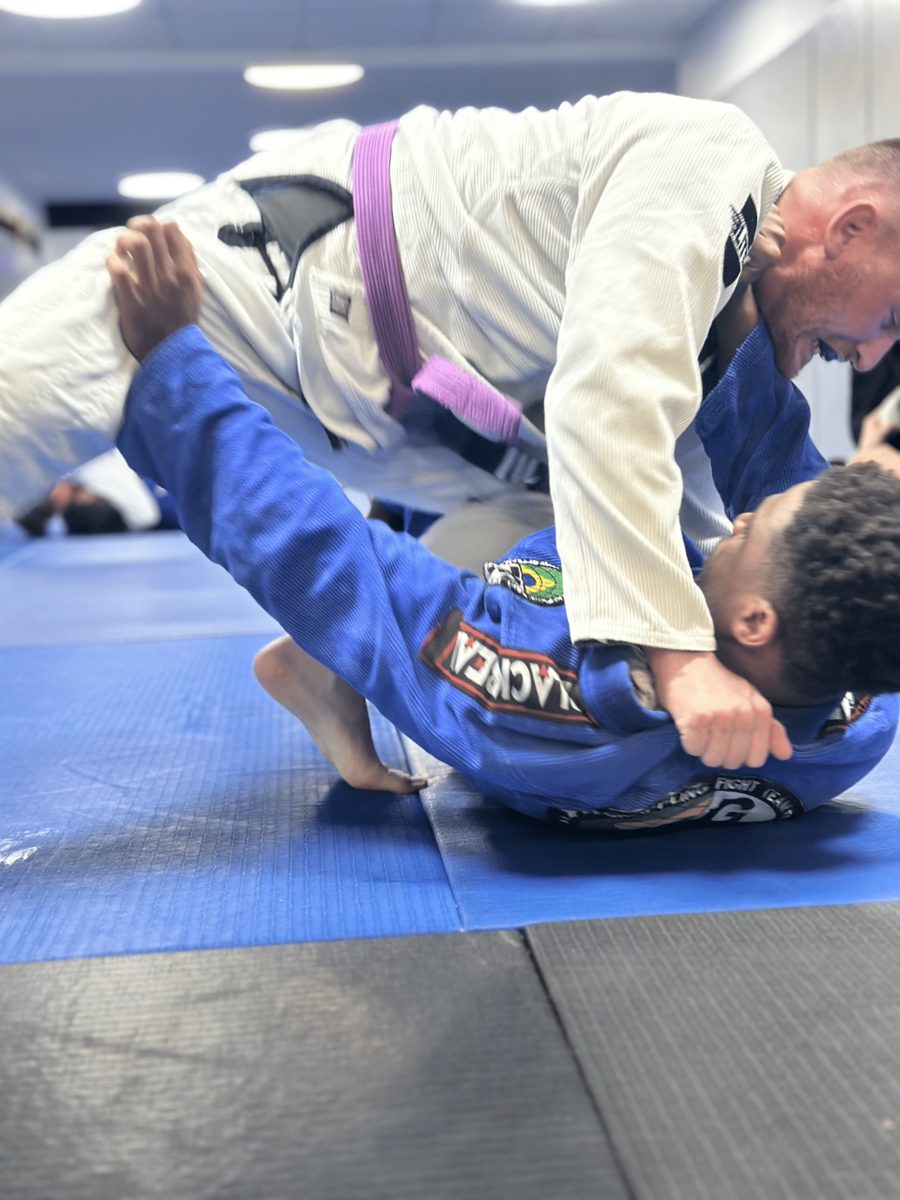
Adult classes at WDC BJJ follow a rhythm you will learn fast: a warm-up built from the movements of the art itself, a technique taught piece by piece by the coach, partner drilling where you practice it at a cooperative pace, and — when you are ready — live rounds at the end. In month one, your job in drilling is repetition, not victory. Your partner is not your opponent; they are the person lending you their body so you can learn, and you will return the favor a hundred times. Nobody expects a beginner to win anything. They expect you to show up, pay attention, and be a safe person to train with.
The soreness, honestly
You will be sore. Not gym sore — new-planet sore, in your forearms from gripping, your ribs from breathing under weight, your neck and hips from muscles that have never been asked to do this. It peaks in the first two weeks and then fades remarkably fast as your body adapts and your technique stops muscling what leverage should do. Sleep, water, and rest days handle most of it. Learn the difference early: soreness is a dull, symmetrical tiredness that improves as you warm up; sharp or joint pain is a stop signal — ease off and tell a coach. Training through soreness builds you. Training through pain borrows from next month.
Hygiene is not optional — it is the culture
Jiu-jitsu is a close-contact sport on shared mats, so the hygiene rules are strict and universal, and following them is how the room knows you respect it. Train in a clean uniform every class — a gi washed after each session, no exceptions. Keep fingernails and toenails trimmed short; scratches are how small things become problems. Shower as soon as you can after training. Never train with a skin infection, a fever, or anything contagious — stay home, and the room will thank you by doing the same. These habits sound basic because they are, and they are enforced with love and zero flexibility.
Etiquette: the unwritten curriculum
The formal rules are few; the culture carries the rest. Tap early and tap often — tapping is how you say "that works, reset," and it carries no shame at any belt. When someone taps, you stop instantly, every time, no finishing the motion. Match your partner's size and intensity: as a beginner, your partners will take care of you, and the fastest way to earn that care permanently is to return it. Ask questions after the round, not during someone else's. And know that the person who just dismantled you will, in the same breath, show you exactly how they did it. That generosity is the sport.
Gi or no-gi — and what Tuesdays are for
You will train in both formats here. In the gi, the uniform becomes part of the technique — grips on collars and sleeves slow the game down and make it chess-like. No-gi is faster and more slippery, built on body locks and underhooks. At WDC BJJ, Tuesdays are no-gi, which gives beginners a natural weekly taste of both. Start wherever your schedule lands you; neither is the "real" one, and month-one students belong in both rooms. Our guide to training frequency helps you build the week.
How the month actually goes
Week one, you will forget everything by the car ride home — normal. By week two, the warm-up stops feeling like an exam and one or two positions start to look familiar. Somewhere in week three, you will do one thing — an escape, a guard pass defense — on purpose, and it will work, and you will understand why people stay for a decade. Two to three classes a week is the rhythm that gets you there: enough repetition that techniques return before you have forgotten them, enough rest that you arrive hungry instead of broken. By day thirty you will not be good. You will be oriented — and oriented beginners become dangerous eventually.
Start the month
Your instructor is Professor Deivid Dias, a GFTeam black belt, and the room you are walking into was built by people who all started exactly where you are. Your first class is free — a real group class, athletic clothes and a water bottle, nothing else needed. Book a class, arrive fifteen minutes early, and give the month an honest try.
Your first class is free.
A real group class with your own group. No experience needed, no payment, no contract for a trial — and enrollment includes a free uniform.
1. Send the free-trial request or call (202) 636-3453.
2. We confirm the right class for your age and schedule.
3. Arrive 15 minutes early in athletic clothes with water.
4. Train a real class — then decide with zero pressure.
Beginner nerves, answered
No — jiu-jitsu is how you get in shape, and waiting for fitness first is the most common way people never start. Coaches scale the warm-up and the work to the person in front of them. Your only job in week one is to show up and pace yourself.
Live rounds are there when you are ready, always supervised — nobody will throw you in before you understand the basics and the tap. When you do roll, experienced partners match your pace. Tapping stops everything instantly, every time, and beginners are expected to use it constantly.
Either. The gi game is slower and more technical; no-gi is faster. At WDC BJJ Tuesdays are no-gi and the rest of the week mixes both, so most beginners simply start on the days that fit their schedule and get both.
Two to three is the sweet spot: enough that techniques repeat before you forget them, spread out enough for your body to recover. Consistency over months beats a heroic first week followed by a sore, skipped one.
Athletic clothes without pockets or zippers, a water bottle, and fifteen spare minutes to arrive early. No uniform is needed for a trial — enrollment includes a free uniform once you join.