Kids' Jiu-Jitsu Classes: What Takoma Park Parents Should Know Before the First Class
Age groups, class times, safety, the coaching team, and what to bring — the honest parent's briefing before your child's first class.
If you are a Takoma Park parent looking at kids' jiu-jitsu classes, your questions are probably not really about jiu-jitsu. They are: Will my child be safe? Will they fit in? What if they are shy — or the opposite of shy? And what actually happens in there every week? This guide answers those questions the way we would want them answered before our own kids stepped on a mat.
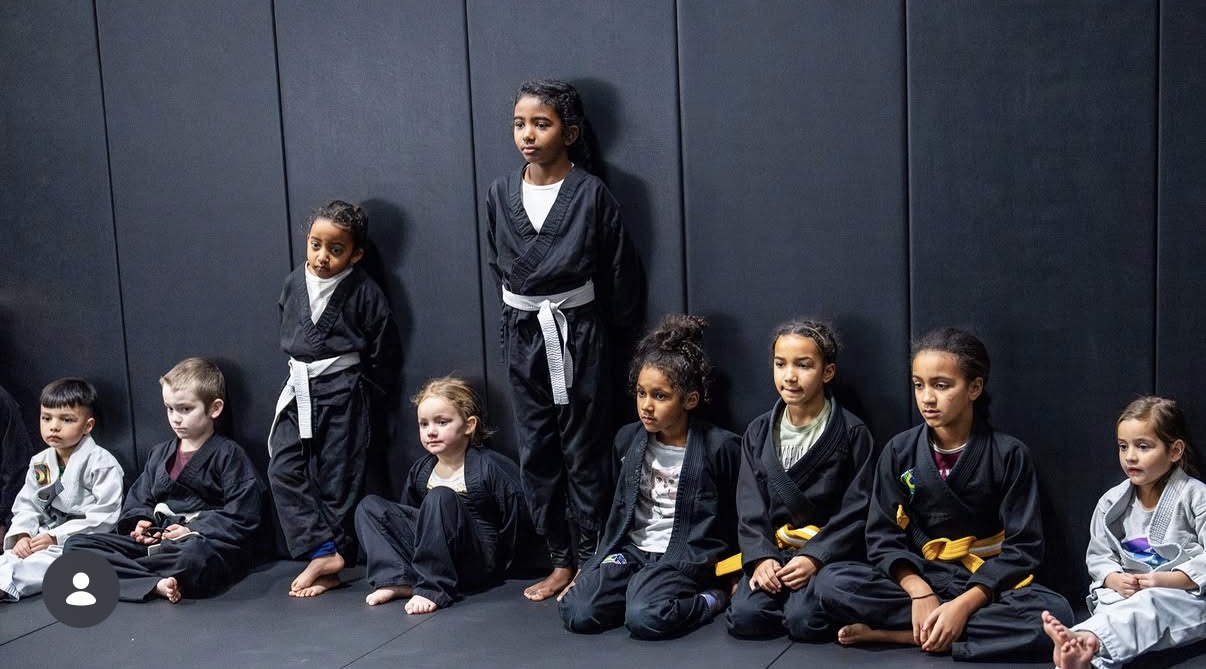
WDC BJJ is a family-owned Brazilian jiu-jitsu academy at 720 Erie Ave, Takoma Park, MD 20912, part of this neighborhood since 2015 and part of GFTeam, one of the most respected jiu-jitsu teams in the world. Our kids program serves ages 4–12, and most of the children in it started as complete beginners whose parents stood exactly where you are standing now — at the edge of the mats, watching a first class.
Age groups and class times
Kids are grouped by age and size, so a five-year-old is never asked to keep up with — or hold back — a twelve-year-old. Weekday kids' classes meet at 5:00 PM, the after-school slot most families build around, and older kids (ages 10–12) train at 6:00 PM, Monday through Thursday, with material paced for bigger, stronger students. Saturday at 9:00 AM is our younger, smaller group — the gentlest entry point of the week — and a new Saturday kids' class at 10:00 AM begins November 7, 2026, giving families a second morning option. Free trials run at the weekday 5:00 PM classes and the Saturday 9:00 AM class, so your child's first session can be a real class at a time that suits your family. The full class schedule lists every session.
What kids actually learn
Technique comes first — how to fall safely, how to escape from underneath, how to hold a position, how to tap and respect a tap. Around that technique, every class is built to practice five things. Confidence: kids do hard things in small steps — a new escape, a first clean drill — and finish class knowing they did something they could not do last week. Focus and discipline: lining up, listening, waiting for a turn, and following a sequence is attention practice disguised as a game. Coordination and fitness: warm-ups and drills build balance, agility, and strength through play, on mats, without a screen in sight. Respect and friendship: partners bow in, help each other up, and learn that the person across from them is a teammate, not an enemy — many of our kids' closest friendships started on these mats. Self-defense skills: children learn how to fall without getting hurt, how to get back to their feet, how to free themselves from a grab, and how to use their voice and find an adult.
We will be plain with you, the way we are with every parent: no class can promise a child will never face a hard situation, and we do not make promises like that. What training gives kids is practice — moving well, staying calm, and carrying themselves like someone who knows what to do — and parents tell us those habits start showing up off the mats, too.
Progress is easy to watch for. In the first weeks it looks like small things: your child remembers the warm-up, ties their own belt, answers a coach's question with a loud "yes, Professor." Over the first months, stripes on the belt mark skills they have actually demonstrated in class, and the techniques start to chain together — an escape becomes a sweep, a sweep becomes a position they can hold. There is no fixed timetable and no child is rushed: kids earn each step when they can show it, which is exactly why they are proud of it when it comes.
The coaches your child will meet
Kids' classes are coached by a team, so your child is known by several adults rather than depending on one. Professor Charlene Dixon, a GFTeam black belt and champion competitor, is one of the academy's senior professors and a cornerstone of our kids' coaching. Coach Nilxon Ventura, our gym manager, runs check-in at the door — he is usually the first face your family meets, and the one who makes sure every new child is placed, partnered, and looked after. Coach Kate Parish, a purple belt with seven years of training behind her, coaches in the kids' program and has a gift for the quieter children who need a patient first week. Professor Deivid Dias, the academy's head coach, oversees the program and teaches across it. You can meet the whole team on our instructors page.
Safety, and the buddy system
Safety runs on rules, not hopes. The first rule every child learns is the tap: when anyone taps or says stop, everything stops, instantly — and respecting a partner's tap is treated as seriously as any technique. Partners are matched by age and size, drills are supervised at close range, and live practice is introduced gradually, at the pace each individual child is ready for. A child who wants to watch a round from the side, watches.
For a first class, we use a buddy system: your child is paired with a friendly, experienced student their own size who knows it is their first day. The coach learns your child's name in the first few minutes, checks in with you partway through class so you know how it is going, and the whole structure is designed so a shy child is never put at the center of attention unless they want to be. Parents watch from the side of the mats — you will see everything we do, every class, which is exactly how it should be.
What to bring, and where to go
Keep it simple: comfortable athletic clothes and a water bottle. Your child does not need a uniform to try a class — if they would like to wear one, the gym keeps loaner gis for trial students — and if you decide to enroll, enrollment includes a free uniform, so there is no separate gear purchase to make. The academy has free parking in its own lot. Kids come in through the kids' entrance at the yellow building; check in at the door, and a coach will take it from there.
How the free trial works
The first class is a free trial: a real class with our regular students, not a demonstration and not a sales session. Book it, arrive about 15 minutes early, and let your child train. After class, we will answer your questions and — only if you want — walk you through how enrollment works. No payment and no contract are involved in a trial, and there is no obligation to decide on the spot.
Your child's first class is free.
A real kids' class with our coaching team and regular students. No experience needed, no payment, no contract for a trial — and enrollment includes a free uniform.
1. Send the free-trial request or call (202) 636-3453.
2. Pick a class: weekday 5 PM or Saturday 9 AM.
3. Arrive 15 minutes early — athletic clothes, a water bottle, kids' entrance at the yellow building.
4. Watch your child train a real class — then decide with zero pressure.